


In 2026, India’s independent music scene has shifted from margin to mainstream, powered by streaming, regional languages, and creator led ecosystems. For artists, it brings both unprecedented opportunity and new business challenges. For labels, platforms, and agencies like Newsicpox, it signals a lasting redefinition of how value is created and shared in the Indian music industry.
In 2026, independent music in India is no longer a parallel universe on the fringes of Bollywood. It sits at the centre of streaming charts, festival lineups, and brand campaigns, reshaping how the industry thinks about discovery, monetisation, and long term careers. For a professional media agency like NewsicPox, this shift is not just a creative story but a structural business transformation that is changing who controls value in the Indian music ecosystem.
A decade ago, mainstream film music dictated most of the listening behaviour in India, with record labels leaning heavily on Bollywood soundtracks, a few marquee pop acts, and devotional catalogues. Today, a new set of independent artists, boutique labels, and creator led collectives are challenging that hierarchy by owning their masters, speaking in regional languages, and using digital tools to reach niche but loyal communities.
Streaming And Data Have Tilted The Scales
The catalyst for this shift has been the rapid growth of digital streaming, powered by smartphones, cheap data, and an audience that has become comfortable discovering music online rather than through radio or television. India is now one of the largest streaming markets in the world by volume, with billions of monthly streams and a fast growing base of paying subscribers. For independent artists, the key development is not just access, but measurable data.
On platforms such as Spotify, YouTube Music, JioSaavn, Gaana and Apple Music, artists and their teams can now see where their listeners are based, which playlists drive repeat streams, and which songs convert casual listeners into fans. This data driven visibility, once the exclusive domain of major labels, has enabled indie musicians to make informed choices about marketing spends, touring routes, and collaboration strategies.
A large part of this growth has been domestic. Industry estimates suggest that by the mid 2020s, nearly two thirds of royalties generated in India are for local artists, not imported repertoire, reflecting a stronger focus on homegrown talent. Independent voices, singing in Hindi as well as regional languages like Punjabi, Tamil, Telugu, Haryanvi, Bengali, and Rajasthani, are benefiting from this demand for local authenticity.
Rise Of Creator Led Ecosystems
The conversation around independent music in 2026 is no longer limited to “unsigned artists” recording in small studios. Many of the most visible indie names now operate like small businesses, with dedicated managers, digital marketing teams, live agents, and sometimes even their own micro labels.
These creator led ecosystems are enabled by an infrastructure of distributors, aggregators, and rights organisations that can collect income from multiple sources. Digital distribution companies help artists place their music on streaming platforms and short video apps, while collection societies such as the Indian Performing Right Society continue to push for better licensing and performance royalties. As creator revenues in India have grown strongly in recent years, the message is clear: there is real money on the table when artists retain control of their rights and build sustainable catalogues.
At the same time, social media platforms have become launch pads for independent musicians to test ideas and build communities before investing heavily in production. Shorts, Reels, and snackable live sessions let artists gauge which hooks resonate, which stories connect, and which sonic directions are worth pursuing, without waiting for a label’s approval.
Regional Music And Hyper Local Storytelling
One of the most important narratives in India’s music industry today is the surge in regional music across states such as Punjab, Haryana, Rajasthan, Maharashtra, and the southern markets. Listeners increasingly look for songs that reflect their own language, slang, and cultural references rather than generic, pan Indian lyrics.
This preference has created fertile ground for independent artists rooted in regional scenes. A Punjabi rapper collaborating with a local folk singer, a Rajasthani pop act blending traditional instruments with trap beats, or a Haryanvi singer using rustic storytelling over contemporary production are no longer fringe experiments. They are now central to playlist strategies on major platforms and a core part of festival programming.
For brands and agencies, this regional focus is especially significant. Campaigns that once relied on a single Hindi jingle now often commission multiple versions tailored to different linguistic markets, with independent artists providing both the voice and the cultural nuance. This opens a new line of work for indie musicians, where brand collaborations are not just about sync fees but about co creating narratives that feel native to specific geographies.
Independent Versus Major Labels: A New Balance
The relationship between independent artists and major labels is more fluid in 2026 than it was a few years ago. Majors still control vast catalogues, high level marketing machinery, and relationships with film studios, but they are increasingly aware that some of the most engaged fanbases belong to artists who began as independent success stories.
Instead of the old model where signing with a big label was the only marker of “making it”, many artists now choose a hybrid path. Some retain ownership of their masters while partnering with labels for marketing and distribution. Others sign single song or short term licensing deals instead of open ended contracts. There are also cases where micro labels, launched by artists themselves, negotiate directly with majors or large distributors for specific projects.
This rebalancing has sparked new conversations about fair contracts, transparent royalty reporting, and long term catalogue value. Industry voices frequently stress that artists should consult legal and financial experts before signing agreements, especially in a market where streaming revenue, sync licensing, live performance income, and brand deals all intersect. The days of one sided deals signed in a hurry are being challenged by a generation that is more informed and more willing to push back.
Live Music, Festivals, And The Indie Economy
While streaming grabs most of the headlines, the real test of an independent artist’s influence still happens offline. The rise of multi city music festivals, boutique listening sessions, and college tours has given indie acts more stages to claim. Programming teams at festivals are under pressure to present lineups that feel contemporary and diverse, which naturally leads them to emerging voices outside the traditional film playback space.
Many independent artists now structure their year around key festival seasons and city circuits, using data from streaming platforms to identify where demand is highest. Cities such as Mumbai, Delhi, Bengaluru, Pune, and Hyderabad continue to be important hubs, but there is growing interest in tier two and tier three cities where young audiences have strong digital habits yet limited access to live events.
For NewsicPox and other media agencies, this live economy is more than a cultural phenomenon. It represents an expanding marketplace for sponsorships, on ground brand activations, influencer campaigns, and content partnerships. Indie festivals often welcome innovative collaborations, from live session recordings and after movies to social media content that extends the festival experience well beyond the venue.
Technology, AI, And The Indie Toolkit
Technology continues to reshape every layer of the indie music process. Affordable recording setups, collaborative cloud based production tools, and AI assisted workflows allow small teams to produce studio grade releases without access to big budget facilities. Artists can generate demo arrangements, experiment with vocal processing, and test alternate mixes quickly before locking in final masters.
At the same time, ethical questions around AI generated music and synthetic voices are becoming more urgent. Global debates about the use of artists’ likeness and unlicensed cloning have reached Indian audiences too, pushing platforms, labels, and rights bodies to refine their guidelines. For independent musicians who rely on the uniqueness of their personal brand, protecting their voice and image is a critical concern.
On the marketing side, recommendation algorithms on streaming and social platforms act as both an advantage and a challenge. When the algorithms favour a track, a song can climb from obscurity to viral status within days. But this dependence also means artists need to constantly feed the system with new content, maintain fan engagement, and adapt to changes in platform rules.
Business Insights For Indie Artists In 2026
From a business perspective, independent musicians who thrive in 2026 usually share a few common traits:
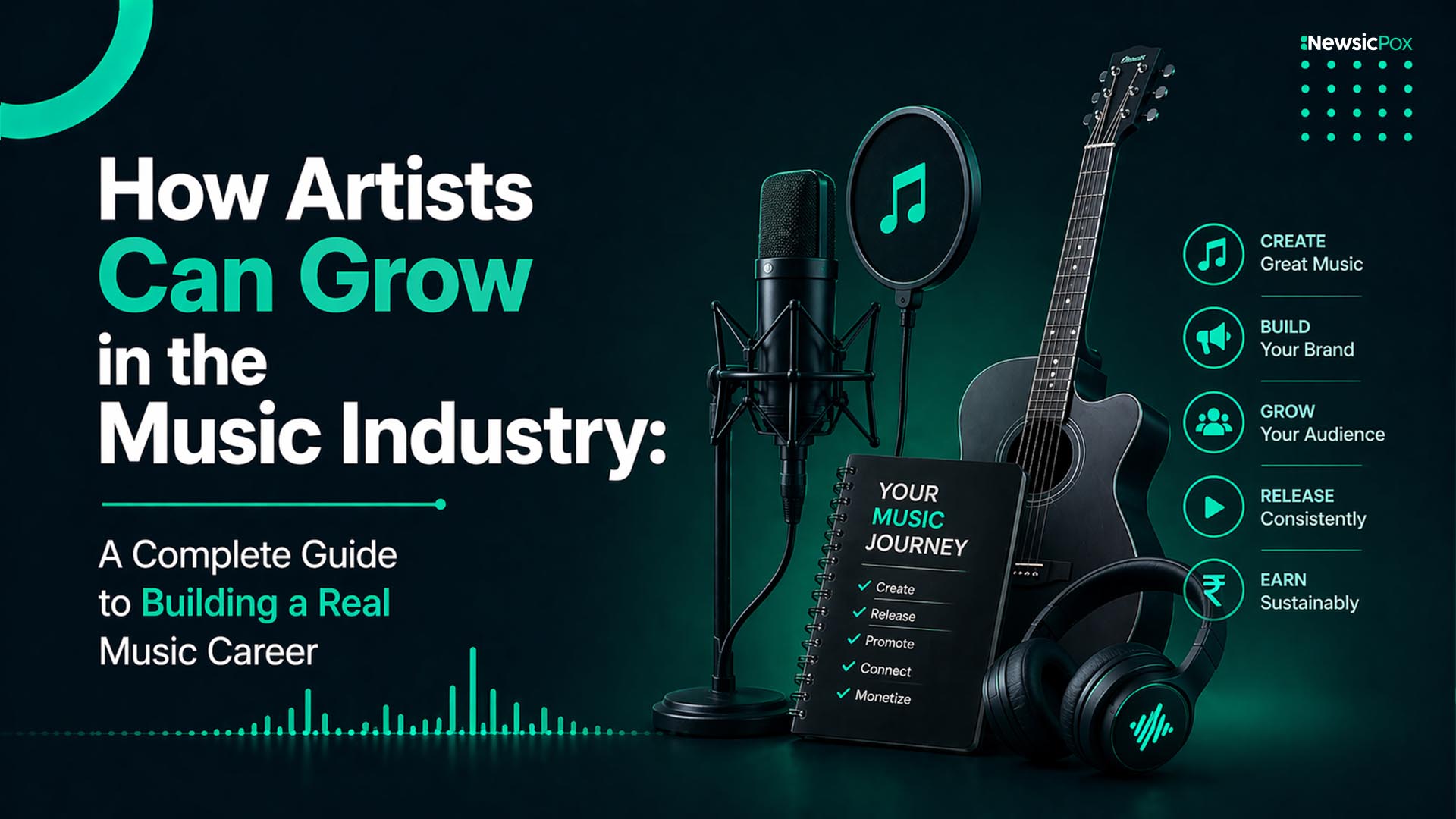
- They treat their careers like startups, with clear goals, defined roles, and documented processes.
- They diversify income across streaming, live shows, brand collaborations, sync deals, and fan supported offerings such as memberships or exclusive content.
- They invest in relationships with managers, lawyers, accountants, and visual artists, understanding that music is only one part of the package.
- They pay attention to metadata, proper registrations, and rights management to avoid losing income due to administrative gaps.
For many, the journey starts with a breakout single that finds traction on a streaming platform or short video app. But sustaining that success requires catalogue depth. A single viral song can open doors, yet long term revenue usually comes from multiple releases that listeners return to over time. Independent artists who release consistently and build cohesive sonic identities have a better chance of weathering shifts in algorithmic attention.[2][3]
Another crucial area is education. Organisations, communities, and online academies that teach music business, digital marketing, and rights management are playing a vital role in professionalising the indie sector. Workshops and webinars on topics like contract literacy, touring logistics, and fan community building have become regular fixtures on the calendar.
Challenges And Controversies
Despite the excitement, independent music in India faces real challenges. One of the most persistent issues is the gap between visibility and income. Viral success does not always translate into sustainable revenue, especially when per stream payouts remain modest and competition for attention is intense.
There are also recurring controversies about unpaid performances, opaque brand deals, and event organisers who expect “exposure” to substitute for fees. Social media has made it easier for artists to call out unfair practices, but it has also exposed them to trolling, harassment, and pressure to constantly present curated versions of their lives.
Another tension point lies in the use of regional cultural elements. As regional music becomes more profitable, questions arise about which stakeholders actually benefit. Are local communities, lyricists, and folk performers fairly credited and compensated when their styles are adapted into commercial indie pop, or do only a few visible faces gain from the trend? These debates are likely to grow sharper as regional genres continue to explode online.
The Road Ahead: From Indie To Industry Backbone
Looking towards the end of 2026 and beyond, it is increasingly clear that independent music is not a temporary trend but a structural pillar of the Indian music industry. Analysts point to continued growth in overall industry revenues, a larger share of listening going to local artists, and the deepening role of regional languages as indicators that the indie wave is still building.
For NewsicPox, covering this space means moving beyond surface level “rising star” profiles toward deeper reporting on business models, rights negotiations, and cross border collaborations. Indian independent artists are now finding international listeners through playlists, diaspora communities, and global streaming campaigns, prompting fresh conversations about export strategies and global touring.
As hyper local stories meet global platforms, the independent scene will likely keep challenging old assumptions about who gets to define Indian music. In that sense, the real transformation is not just about technology or platforms, but about power. The more independent artists understand the business and the more they collaborate with ethical partners across labels, agencies, and platforms, the more they can turn creative momentum into lasting careers.
For young musicians starting out in 2026, the message is both inspiring and realistic. The path is more open than ever, but it also demands clarity, patience, and a professional mindset. Independent music in India is no longer the footnote. It is an essential chapter in how the country sounds, spends, and tells its stories.

Leave a Comment